
The Shadow: The Dark Guardian of Pulp Who Walked the Edge of Horror
- Bryan Alaspa
- Oct 15, 2025
- 6 min read
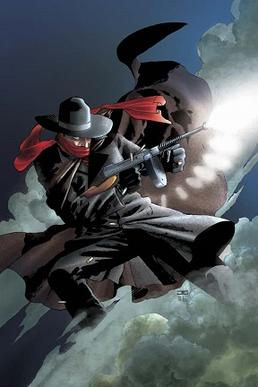
Man, I have been a fan of The Shadow for so long. I first became a fan after reading some of his appearances in DC comics, then discovered the radio show, then the pulp novels. This is the start of a series looking at the classic pulp heroes, and we have to start with the granddaddy.
"Who knows what evil lurks in the hearts of men? The Shadow knows!"
That single, chilling line, punctuated by a sinister, echoing laugh, has haunted radio waves, comic pages, and imaginations for nearly a century. The Shadow wasn’t just another pulp hero, he was the archetype. A dark avenger cloaked in mystery and fear, straddling the line between crimefighter and supernatural terror. In many ways, he was the original horror-tinged superhero, long before the world ever met Batman.
Let’s step back into the shadows and trace the eerie evolution of this haunting figure, from pulp magazine creation to cultural icon, and explore how The Shadow became the ghostly godfather of modern dark heroes.
From a Radio Pitchman to a Legend of the Night
Ironically, The Shadow began not as a character in a story, but as a marketing gimmick. In 1930, publishers Street & Smith were promoting their “Detective Story Hour,” a radio show that dramatized tales from their magazine Detective Story Weekly. The show’s mysterious narrator, voiced by the magnetic Orson Welles and other actors, introduced each episode with that unforgettable catchphrase.
Listeners were captivated. They weren’t asking for Detective Story Weekly at their newsstands, they were demanding The Shadow Magazine.
Street & Smith took the hint, and in April 1931, The Shadow became his own pulp series. Writer Walter B. Gibson, under the pen name Maxwell Grant, was hired to give flesh and blood to this voice of terror. The result was one of the most successful pulp heroes in publishing history, with Gibson writing over 280 of the 325 stories across nearly two decades.
The Pulp Shadow: A Master of Fear and Deception
In the pulps, The Shadow was a mysterious figure, a man cloaked in black, face hidden beneath a slouch hat and crimson scarf, eyes gleaming from the darkness, twin .45 automatics always at the ready. His true identity? That was part of the allure.
To the world, he was Lamont Cranston, a wealthy man-about-town. But fans soon learned that Cranston was just one of many aliases used by the real Shadow—Kent Allard, a World War I flying ace who faked his own death and returned to fight crime in secret. The Shadow commanded a network of agents—crooks, ex-convicts, cab drivers, and operatives who owed him their lives—all coordinated through secret messages, codes, and the occasional eerie appearance in the fog.
Unlike most heroes of the time, The Shadow wasn’t a smiling adventurer or a straightforward detective. He was a specter of vengeance. He laughed from the darkness as his enemies’ nerves broke. He used the shadows as weapons, slipping through alleyways like living smoke. And when he struck, it was sudden and merciless. And he was merciless against criminals, gunning them down without pity.
In tone, The Shadow’s world was almost Gothic, a universe of foggy streets, grotesque villains, and psychological dread. The pulps may not have had overt monsters or ghosts, but make no mistake: The Shadow was the monster to the monsters.
The Radio Shadow: More Human, but No Less Haunting
When The Shadow made his radio debut as a full-fledged series in 1937, the character changed, subtly, but significantly.
Now voiced again by a young Orson Welles, the radio Shadow was no longer the secretive Allard. Instead, he was Lamont Cranston, a wealthy playboy who had learned “the power to cloud men’s minds” in the mysterious East, rendering himself invisible at will. This supernatural touch gave him a ghostly presence that suited radio perfectly.
His eerie laughter, half-mockery, half-menace, became an audio hallmark of American pop culture. When Welles cackled through the static, you could almost feel the darkness pressing in around you.
The radio version softened The Shadow’s more brutal pulp edges. He didn’t kill as often, and his stories leaned into mystery and moral lessons. His method was usually to trick the villains into their own demise, and the twin automatics were not evident. But his voice, rich, hypnotic, otherworldly, retained the spirit of horror. Audiences didn’t just listen to The Shadow; they felt him creeping through their living rooms.
The Shadow and Horror: Fear as a Weapon
At its core, The Shadow was about the psychology of fear. He didn’t rely on superhuman powers (except on the radio); his greatest weapon was terror itself. Like a proto-slasher villain, he knew how to manipulate darkness, anticipation, and the human imagination.
He used the unseen to his advantage, letting criminals destroy themselves through panic. In one pulp story, he allows a mob boss to think he’s being haunted, until the man breaks down completely. The Shadow didn’t need claws or fangs. His presence was the horror.
There’s an argument to be made that The Shadow was America’s first horror-hero, a crimefighter born from Gothic imagery, operating in a world of moral ambiguity and psychological dread. He didn’t just defeat evil; he became the thing that evil feared.
The Shadow’s Influence: From Gotham to the Modern Antihero
If you’ve ever seen Batman vanish from an alley as a crook screams, “Where did he go?!”, you’ve witnessed The Shadow’s legacy firsthand.
When Bob Kane and Bill Finger created Batman in 1939, they didn’t hide their influences. Finger later admitted, “My idea was to have a character that was a combination of Douglas Fairbanks, Sherlock Holmes, and The Shadow.”
Early Batman stories even read like Shadow tales, dark urban settings, criminals meeting grim fates, and a hero who blended detective work with terror tactics. In fact, some early Batman plots were directly lifted from The Shadow stories, with the names changed.
But The Shadow’s influence didn’t stop there. His DNA runs through generations of dark heroes, The Question, Rorschach, The Punisher, and even modern horror protagonists like John Wick. Anytime a hero uses fear, shadows, and moral ambiguity as tools, The Shadow’s laugh echoes in the background.
The Shadow’s Afterlife: Comics, Movies, and Modern Revival
After the pulps faded in the 1950s, The Shadow refused to die. He haunted comic books, most notably through the 1970s DC Comics series written by Denny O’Neil, which embraced his noir and supernatural undertones.
The 1994 The Shadow film starring Alec Baldwin brought the character to new audiences, even if it leaned a bit too pulpy for its time. More recent reimaginings from Dynamite Comics and Audible dramas have restored the eerie mystique, presenting him as a timeless avenger; a being who might not even be entirely human anymore.
Sadly, it's not a very good movie and the character deserves better.
Like Dracula or the Phantom of the Opera, The Shadow exists in that rare pantheon of characters who transcend their medium. He’s not just a pulp hero, he’s a legend of darkness, adaptable to any era where evil hides in plain sight.
Conclusion: The Shadow Knows… and Still Watches
What makes The Shadow endure isn’t nostalgia, it’s that primal connection to fear and justice. He doesn’t just fight crime; he personifies the idea that the darkness within us can also be turned against evil. He’s not a superhero in tights, he’s a specter of morality.
In many ways, The Shadow anticipated horror’s golden rules: the unseen is scarier than the seen, the mind is the ultimate battleground, and sometimes the line between hero and monster is razor-thin.
So, the next time you hear that chilling laugh echo through the night, remember: The Shadow may have started as pulp, but he grew into something much deeper, an eternal whisper in the dark corners of pop culture.
Because after all…
Who knows what evil lurks in the hearts of men? The Shadow knows.
Be sure to pre-order my latest novel The Witch of November, a sequel to DEVOURED.
Or check out my latest short story, 3:33, which is out now.
Or you can visit my online bookstore and see all of my work in all genres in one place.


Comments