
Reviving the Classics: Exploring Movies Inspired by 30s and 40s Pulp Fiction Characters
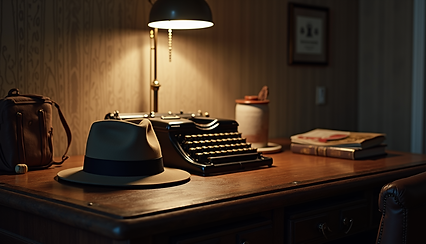
The world of pulp fiction from the 1930s and 1940s created some of the most memorable characters in popular culture. These stories, often printed in cheap magazines, featured bold heroes, shadowy villains, and thrilling adventures. Many filmmakers have since drawn inspiration from these characters, bringing them to life on the big screen. This blog explores how movies have revived these classic pulp fiction figures, blending nostalgia with modern storytelling.
The Roots of Pulp Fiction Characters
Pulp fiction magazines were widely popular during the 1930s and 1940s. They featured fast-paced stories filled with crime, mystery, horror, and adventure. Characters like The Shadow, Doc Savage, and The Spider captured readers’ imaginations with their unique blend of heroism and grit.
These characters often had clear moral codes but operated outside the law, making them perfect for cinematic adaptation. Their stories combined action, suspense, and a touch of the supernatural or science fiction, elements that continue to appeal to audiences today.
Iconic Characters and Their Movie Adaptations
Several pulp fiction characters have made successful transitions to film, each bringing a distinct flavor of the era to modern viewers.
The Shadow
One of the most famous pulp heroes, The Shadow, first appeared in 1930. Known for his mysterious persona and ability to "cloud men's minds," The Shadow became a symbol of justice from the shadows. The 1994 film The Shadow starring Alec Baldwin brought this enigmatic figure to life with a mix of noir aesthetics and supernatural elements. Though the movie received mixed reviews, it remains a cult favorite for fans of pulp fiction.
Doc Savage
Doc Savage, the "Man of Bronze," was a scientist, adventurer, and detective. His stories combined action with science fiction, making him a precursor to modern superheroes. The 1975 film Doc Savage: The Man of Bronze attempted to capture the character’s essence but struggled with tone. Despite this, the character’s influence is visible in later superhero films that blend intellect and physical prowess.
The Spider
The Spider was a vigilante who fought crime with brutal efficiency. His stories were darker and more violent than many contemporaries. While there has been no major Hollywood adaptation, independent films and comic book revivals have kept the character alive. The Spider’s gritty style has influenced modern antiheroes in cinema.
How Modern Movies Capture the Pulp Fiction Spirit
Movies inspired by pulp fiction characters often emphasize atmosphere, style, and moral complexity. Filmmakers use visual cues like shadowy lighting, period costumes, and vintage settings to evoke the era. The storytelling balances action with character development, reflecting the fast-paced yet layered narratives of the original pulp stories.
Examples of Modern Films Influenced by Pulp Fiction
Sin City (2005) uses a graphic novel style that echoes pulp fiction’s bold visuals and dark themes.
The Rocketeer (1991) revives the adventurous spirit of 1930s pulp heroes with a nostalgic, family-friendly approach.
Dick Tracy (1990) brings comic strip and pulp detective stories to life with vibrant colors and stylized sets.
These films show how pulp fiction’s influence extends beyond direct adaptations, shaping genres like noir, superhero, and action-adventure.
Why These Characters Still Matter Today
Pulp fiction characters resonate because they embody timeless themes: justice, courage, and the fight against corruption. Their stories often explore the gray areas of morality, making them relatable even decades later. Modern audiences appreciate the blend of escapism and complexity these characters offer.
Reviving these classics also connects viewers to a rich cultural history. It reminds us how storytelling evolves while honoring its roots. For filmmakers, pulp fiction provides a treasure trove of material that can be reimagined for new generations.
Challenges in Adapting Pulp Fiction Characters
Adapting pulp fiction characters is not without challenges. The original stories sometimes contain outdated stereotypes or simplistic plots. Filmmakers must update these elements to fit contemporary values and tastes without losing the characters’ core appeal.
Balancing nostalgia with innovation is key. Successful adaptations respect the source material while introducing fresh perspectives. This approach helps avoid the pitfalls of feeling either too old-fashioned or disconnected from the original spirit.
Tips for Fans Exploring Pulp Fiction Movies
If you want to dive into movies inspired by pulp fiction characters, here are some suggestions:
Start with classic adaptations like The Shadow (1994) or Dick Tracy (1990) to see how filmmakers approached these heroes.
Explore related genres such as film noir and superhero movies that borrow pulp fiction elements.
Read original pulp stories or modern comic adaptations to understand the characters’ origins.
Look for independent films and series that revive lesser-known pulp heroes with new twists.
The Lasting Impact of Pulp Fiction on Cinema
Pulp fiction characters from the 30s and 40s have left a lasting mark on cinema. Their influence is visible in the way stories are told, how heroes are portrayed, and the visual style of many films. These characters remind us that great storytelling can come from unexpected places, like cheap magazines sold on street corners.
By revisiting and reimagining these figures, filmmakers keep the spirit of pulp fiction alive. They offer audiences thrilling adventures that combine nostalgia with fresh energy, proving that classic heroes never truly fade away.
Check out my ever-growing universe of pulp fiction characters right here!


Comments